
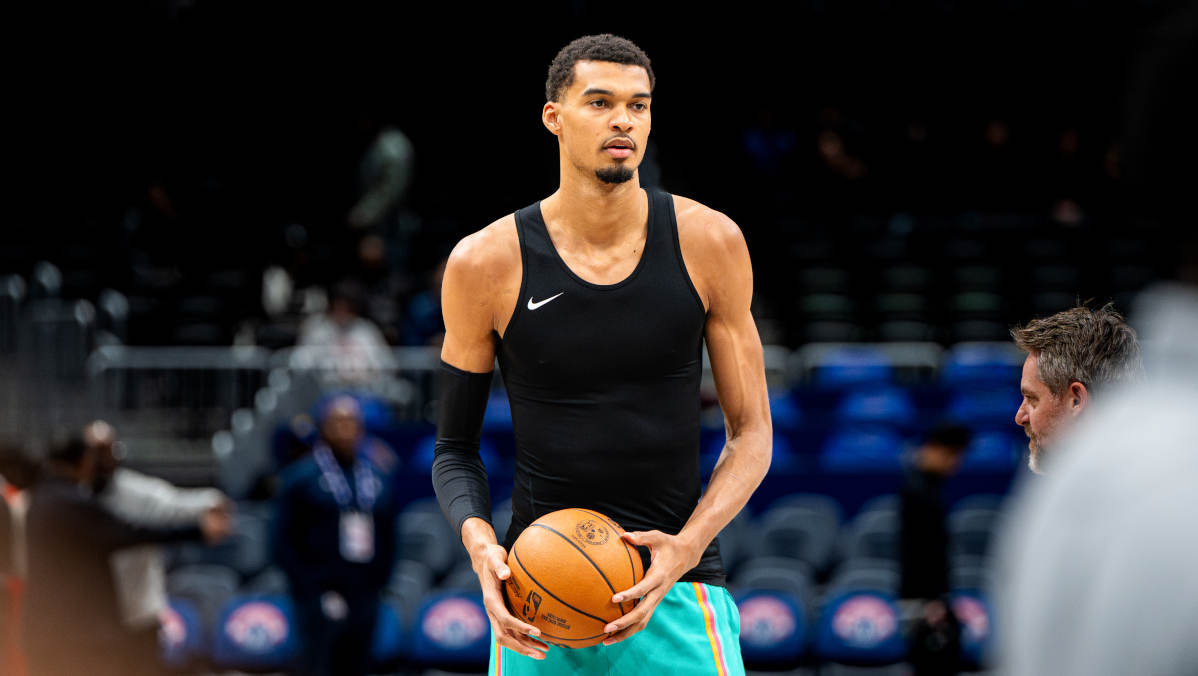
Debate quickly erupted online after Victor Wembanyama declined to participate in postgame media availability following the Spurs’ Game 5 loss to the Thunder. Reports that the NBA later issued Wembanyama a warning only added to the discussion. But the larger conversation isn’t really about Wembanyama.
It’s about the conversation media obligations continue to spark in modern sports culture.
Some fans dismissed the situation entirely, arguing that athletes should not be forced to speak to reporters after frustrating losses, especially in an era where every quote can become a headline or social media debate. Others viewed criticism of Wembanyama’s decision as unnecessary backlash.
The reaction also highlighted that many fans now treat media obligations as optional rather than as a standard part of professional sports.
In most professions, people are expected to complete parts of the job they may not personally enjoy. A teacher meets with parents after a difficult day. A customer service worker responds to frustrated customers. Politicians answer questions from reporters after public setbacks.
Professional athletes are no different in that sense. Media availability is part of the job, not something players can simply opt out of whenever emotions are high.
That does not make Victor Wembanyama a villain.
In fact, Wembanyama has generally built a reputation as one of the NBA’s more thoughtful and media-friendly young stars. Ironically, he recently received the Magic Johnson Award, which recognizes professionalism and cooperation with the media.
Can’t ignore media obligations. It’s a part of the job. https://t.co/Adm2PThpG9
— Carita Parks (@CaritaCParks) May 27, 2026
The other part of the debate is how quickly discourse around media obligations become framed as “sports media versus athletes,” when the reality is far more nuanced. Sports media can absolutely become excessive at times, and fans are not wrong to criticize manufactured narratives, overreactions, or toxic discourse online.
But not of that erases the purpose of media availability itself.
Immediate postgame sessions serve a practical purpose within journalism. Reporters often work on strict deadlines for television broadcasts, newspaper stories, digital articles, podcasts, and live coverage that must be published within minutes of a game ending. Those sessions are not simply about generating viral clips or controversy, they are one of the primary ways journalists gather direct information, context, and reactions in real time.
Leagues also rely on media access to promote players, maintain public engagement, and drive conversation around the sport. The same media ecosystem many fans criticize is also deeply connected to the visibility, coverage, and business growth of professional sports.
The Victor Wembanyama debate ultimately reflects a broader shift in fan culture: many people consume sports content while simultaneously dismissing the role journalism and media access play in creating it.
This should not be viewed as a personal attack on Wembanyama. One missed media session does not define his character, leadership, or career.
However, it also should not be controversial to acknowledge that media obligations are still obligations.
For more NBA coverage and commentary, visit www.dbltakesports.com.