
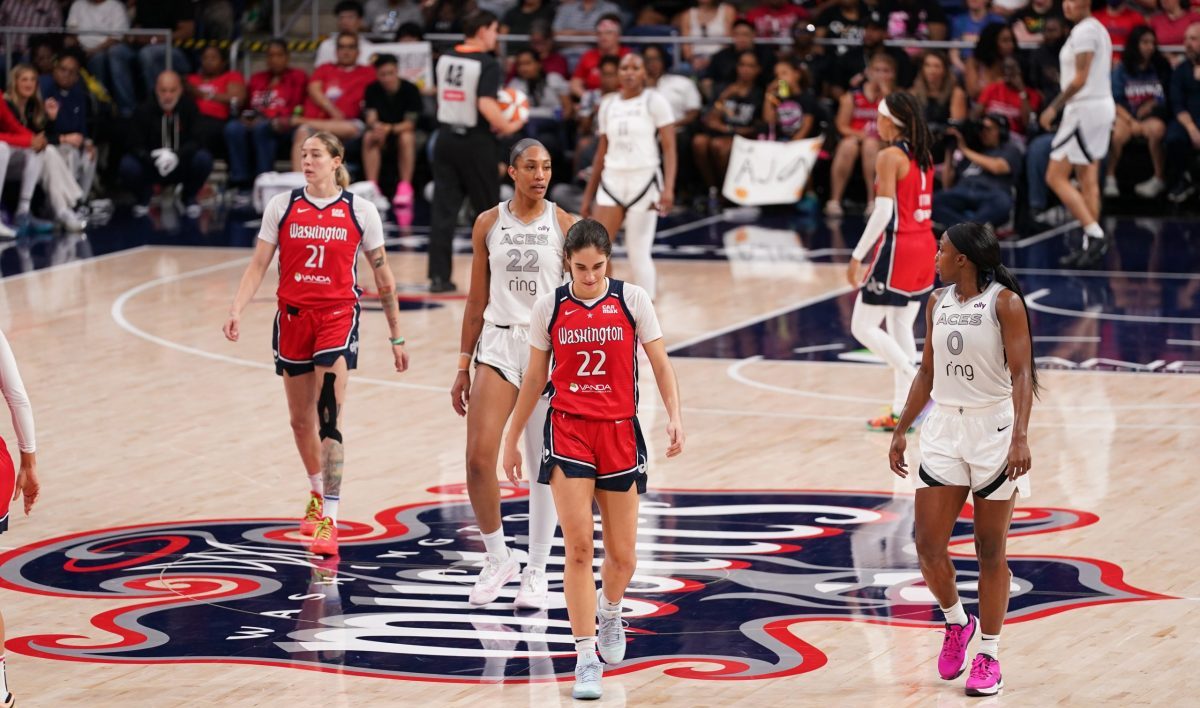
The Washington Mystics will open the 2026 season as part of a landmark year for the WNBA, which enters its 30th season with expansion, a 44-game slate, and heightened visibility across the league.
Rather than focusing on every date and matchup, here are five elements of Washington’s schedule that could shape how the season unfolds.
1. Road-Heavy Start Will Test Early Chemistry
Washington opens the season with five of its first six games on the road, including early trips to Indiana, Dallas, and Seattle. Road-heavy starts often demand quick chemistry and adaptability, especially before rotations and roles fully settle.
With the Mystics seeking to build on last season’s successes, how they navigate this stretch could influence not only early results, but also how the team establishes rhythm heading into the heart of the season.
2. Expansion Games Reflect a League in Growth Mode
The Mystics will tip off the season against the league’s newest franchise, the Toronto Tempo, and later host both Toronto and Portland during the regular season.
Expansion matchups go beyond novelty. They bring increased attention, new markets, and broader conversations about the league’s growth. Washington’s presence in these moments places the franchise directly within the WNBA’s next chapter.
3. Midseason Windows Could Define Momentum
Two stretches stand out as potential turning points: the Commissioner’s Cup window in June and Washington’s longest homestand from July 22 through August 9.
Commissioner’s Cup games carry added stakes while still counting toward the regular-season standings, making them a pressure-filled stretch. The extended homestand that follows offers an opportunity to build continuity, engage the home crowd, and potentially gain traction before the season’s final push.
4. Arena Strategy Signals Market Confidence
With the majority of home games scheduled at CareFirst Arena, Washington will once again conclude the season on a larger stage, hosting Chicago at Capital One Arena.
These venue decisions often reflect more than logistics. Larger arenas signal confidence in demand, visibility, and market reach, particularly when used for marquee moments like a season finale.
5. The World Cup Break Adds a Late-Season Variable
The WNBA will pause play for roughly two weeks in late August due to the FIBA Women’s Basketball World Cup. Washington’s final game before the break comes on August 28, with the regular season resuming in mid-September.
Breaks of this length can reset momentum, test conditioning, and reshape playoff races. How teams re-emerge after the pause often matters just as much as how they enter it.
Looking Ahead
The Mystics’ 2026 schedule reflects a season shaped by growth, travel, and strategic timing, all within a league continuing to expand its footprint. While the results will be determined on the court, the structure of the schedule offers early clues about where the challenges and opportunities may arise.