
When the NFL released its list of 319 prospects invited to the NFL Combine, they did more than mark another offseason milestone.
It signaled the beginning of the league’s most structured phase of draft evaluation.
Each February, Indianapolis becomes the NFL’s centralized scouting hub. Prospects undergo medical examinations, participate in team interviews, complete psychological assessments and perform in on-field drills, all in front of representatives from all 32 teams. The event is public-facing, but much of its impact unfolds away from cameras.
The invite list is the first step in that process.
An Early Filter
Hundreds of players declare for the draft each year. Only 319 receive invitations to Indianapolis.
That selection is not simply a reward for college production. It reflects projection: how teams evaluate a player’s measurables, positional value, long-term development and medical outlook.
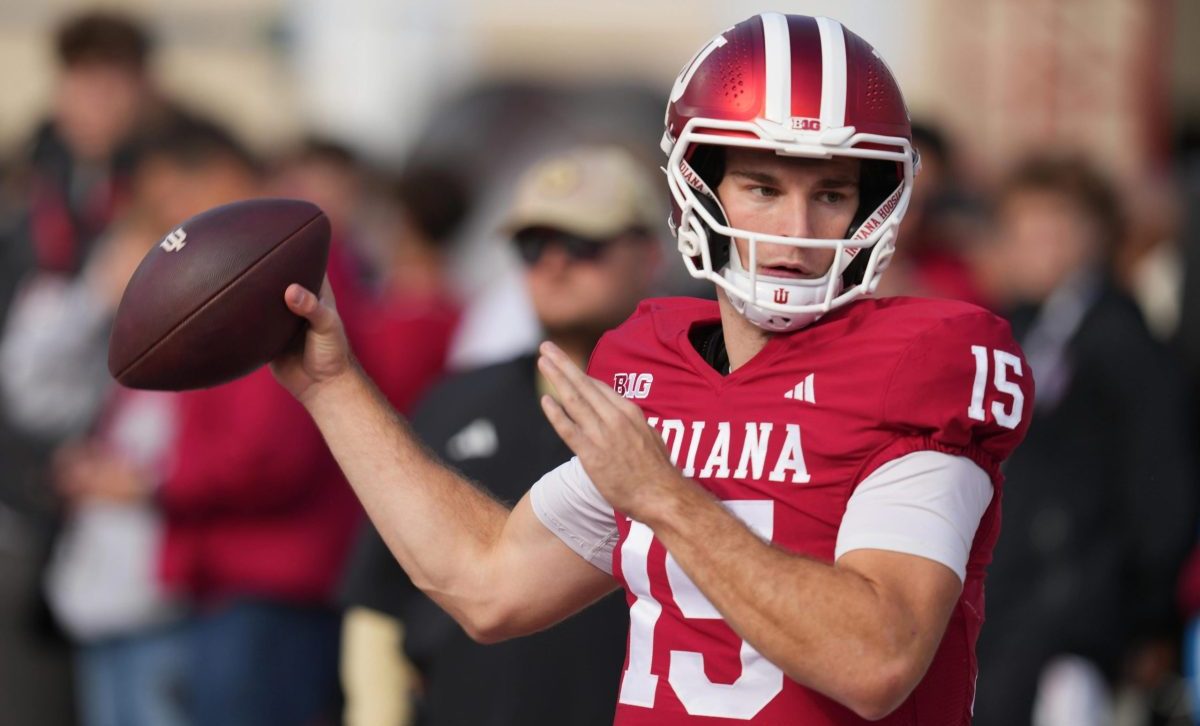
This year’s group includes 15 quarterbacks, highlighting both the depth and intrigue of the 2026 signal-caller class. Among them is Indiana quarterback Fernando Mendoza, one of the most discussed prospects entering the pre-draft cycle.
Indiana set a program record for most players invited to the NFL Combine 👏 pic.twitter.com/exLiaXK5R8
— ESPN College Football (@ESPNCFB) February 12, 2026
At running back, Notre Dame’s Jeremiyah Love is among those invited, where the week in Indianapolis gives teams a closer look at how his game translates against top competition. Ohio State wide receiver Carnell Tate also appears on the list, representing one of the skill-position groups that consistently draws national attention during Combine week.
Each arrives in Indianapolis with different priorities. For quarterbacks, interviews and whiteboard sessions can carry as much weight as arm strength. For running backs and receivers, verified speed and explosiveness help confirm what evaluators see on film.
But the platform is the same.
More Than a Showcase
Publicly, the Combine is often reduced to 40-yard dash times and viral workout clips.
Privately, it functions as a comprehensive assessment.
Teams use the week to gather standardized medical data, evaluate communication skills and measure how prospects respond in high-pressure environments. For some players, particularly those with injury histories, the medical portion may be the most critical part of the week.
The centralized structure allows front offices to compare prospects on equal footing. Film remains foundational, but Indianapolis provides measurable confirmation.
An invitation ensures access. It guarantees that decision-makers across the league will have firsthand exposure to a prospect during a critical stage of the draft process.
It does not determine draft position.
But it influences early tiers of conversation.
Visibility and Representation
This year’s invite list has also generated discussion for another reason: it does not include prospects from HBCU programs.
The absence does not eliminate professional opportunity. Players from HBCUs have earned roster spots and draft selections through pro days, regional showcases and individual performances.
Still, the Combine remains the league’s most visible evaluation stage. Inclusion at this level shapes early exposure, media coverage and initial draft narratives.
The 319 names represent more than a roster. They reflect the programs and pathways most closely aligned with the NFL’s centralized scouting process.
The Starting Point
The 2026 NFL Combine will not finalize draft boards. Pro days, private workouts and continued evaluation will continue well beyond Indianapolis.
But this is the first organized checkpoint.
It establishes structure. It confirms league-wide interest. And it sets the tone for how the draft conversation unfolds in the weeks ahead.
The stopwatch will dominate headlines.
The interviews will quietly shape decisions.
And long before draft night arrives, much of the groundwork will have already been laid in Indianapolis.